
SEO Strategy
JellyFish Lighting Dealer Keyword Strategy Template
Google (and other search engines) constantly work at improving user experience, so they want searches to provide quality websites that their users will enjoy and find helpful. SEO breaks down ways to make your site a good experience for users. "Blackhat" ways of accomplishing SEO tactics will likely result in punishment from Google.
This template will help you develop an effective SEO keyword strategy that increases visibility, drives qualified traffic, and leads to more conversions (quote requests & sales).
SEO has 3 Parts
-
Off-Page SEO
- Receiving links to your site from relevant and authoritative websites
-
Technical SEO
- Optimizing technical aspects of webpages, such as site speed and UX
- On-Page SEO
-
- Optimizing page content and metadata with relevant keywords
Off-Page SEO
This part of SEO refers to backlinks–links that lead to your website from another website.
Google uses backlinks as evidence that your website is trustworthy. The more authority and relevance the backlinks you have pointing to your website, the higher your domain authority will be. High domain authority will make it much easier to rank on search engines (google).
You can find a great list of ways to get backlinks from Backlinko
There are a lot of spammy or "cheat" ways to collect a lot of bad links. There are also ways to trade links, or artificially raise your number of backlinks. Google works hard to recognize "bad" behavior and then punish those site by blacklisting or lowering their rankings.
Technical SEO
This category focuses on how user-friendly your website is, and how easy it is for Google to understand the layout of your site.
Google has "Core Web Vitals" being
- LCP (largest contentful paint) Page load time (time for main image/video to load)
- INP (interaction to next paint) Time it takes to interact with (click) the page
- CLS (Cumulative Layout Shift) How often there are shifts in the page (elements load later and move things around)

These are factors that affect the user's experience. If the user has to wait for the page to load, to interact with the page, or things shift while they are viewing the page, they will likely leave your page. People quickly leaving your page is a "bounceback" which signals to Google that you have a bad page.
You can review Google's page about Core Web Vitals
Google also likes organized website structure. Technical SEO includes the ease for Google to crawl and for people to navigate your website. Learn more about website architecture for SEO by clicking on the image for Semrush.

On-Page SEO
We'll spend a lot of time here. This is where you build your website's content (homepage, blogs, etc.) The focus is on Keywords.
1. Define Your Target Audience
Who are your ideal customers? Dig deep into who they are and what their use cases of JellyFish lighting are. Consider:
- Homeowners aged 40+ with an annual income of $150,000+
- People interested in permanent outdoor lighting solutions, Home renovations, Holiday decor, etc.
- Homeowners looking for holiday, security, or accent lighting
Example Personas:
- Busy professionals who want a hassle-free holiday lighting solution.
- Retirees looking for elegant landscape lighting.
- Families who want energy-efficient, year-round lighting.
2. Identify Core Keywords
Think of highly searched terms with low competition that reflect what customers type into Google. These are usually "long-tail" keywords, which means they are a phrase, not a single word.
Primary Keywords (High Intent)
These are core product-related phrases that people search for when ready to buy.
Best Permanent LED Lighting
Permanent Christmas Lights
Year-Round Outdoor Lighting
House Trim Lighting Cost
Secondary Keywords (Problem-Solving)
These address specific problems or concerns potential customers have.
- Christmas lights I don’t have to hang up myself.
- Safe outdoor lighting for my home.
- My husband fell off the roof hanging Christmas lights
Local SEO Keywords (Geo-Specific)
Adding your city, state, or neighborhood helps attract local leads and lower competition
Permanent outdoor lighting in [City]
Best holiday lighting in [City]
[City] house lighting installation
Example: Instead of just "permanent LED lighting," optimize for:
- Permanent LED Lighting in Dallas, TX
- Custom Outdoor Lighting Installation in Denver
3. Keyword Variations & Long-Tail Phrases
Long-tail keywords reduce competition and capture specific intent searches.
| Broad Keyword | Long-Tail Keyword Example | Why It Works |
|---|---|---|
| Permanent Christmas Lights | Who installs permanent Christmas lights near me? | Matches common search queries |
| LED House Trim Lighting | Modern LED trim lighting for homes | Appeals to aesthetic-focused buyers |
| Outdoor Accent Lighting | Best LED landscape lighting for security | Targets security-conscious homeowners |
| Smart Outdoor Lighting | Automated LED lights for my home | Attracts smart home enthusiasts |
4. Competitor & Market Research
Study what competitors in your area rank for and look for gaps where you can outperform them.
Use Google Search to see top-ranking terms.
Check Google’s “People Also Ask” section for related searches.
Analyze competitor websites for common keywords.
For Competitor Analysis, consider these tools:
- SEMRush
- Ahrefs
- Similarweb
- Many other tools
Pro Tip: Try typing "Permanent LED Christmas Lights" into Google and see what autocomplete suggests.
5. Content Strategy & Keyword Placement
To rank effectively, your keywords should be strategically placed across your website, ads, and content.
Website Optimization
Homepage:
- Include main keywords in H1 titles and meta descriptions.
- Example: "Permanent LED Lighting Installation – Year-Round Outdoor Lights"
- For more information on Keywords and their placement, check out our Keyword page
Blog Content Ideas:
- “Why Permanent Christmas Lights Are Worth the Investment”
- “Best Outdoor Lighting Ideas for Year-Round Beauty”
- “How Smart LED Lights Increase Home Security”
Google My Business (GMB) & Local Listings:
- Optimize for local SEO with city-based keywords.
6. Monitor & Optimize Performance
SEO is an ongoing process that takes time to work. Regularly track and refine your keyword strategy using:
Google Search Console – See which keywords drive traffic.
Google Ads Keyword Planner – Find new keyword opportunities.
Google Analytics – Track conversions from search traffic.
SEO tools (like SEMrush or Ahrefs) – Analyze ranking improvements.
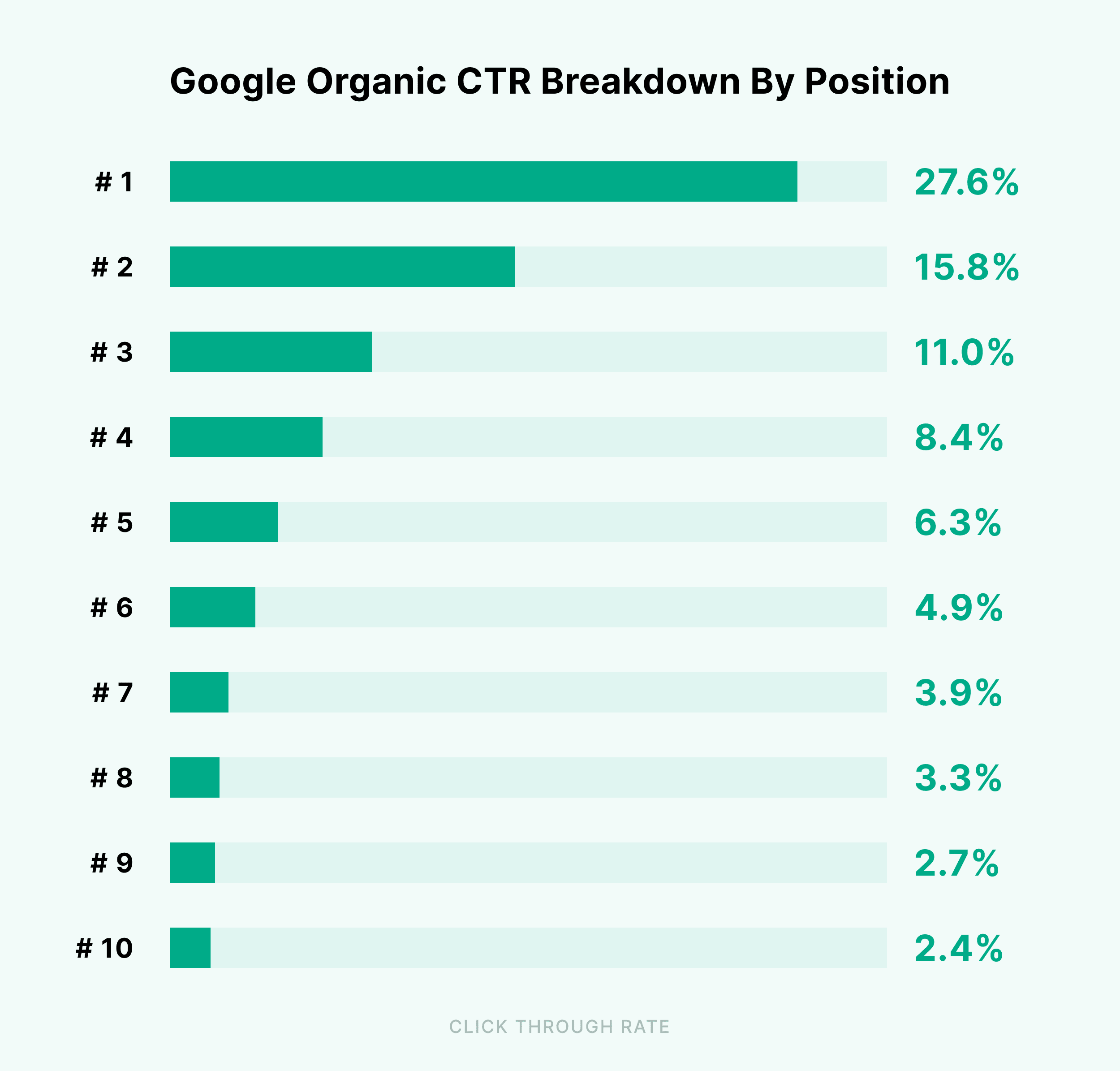
Goal: Improve rankings for high-converting keywords. Try to push pages that rank in the top 15 to be higher.
Final Takeaway: Balance is Key!
- High search volume is great—but only if the competition is manageable
- Focus on keywords that drive real sales, not just rankings
- Local SEO is a game-changer—geo-target your market for higher conversion rates
- Avoid "Keyword stuffing"—don't shove your pages full of the keyword you want to rank for